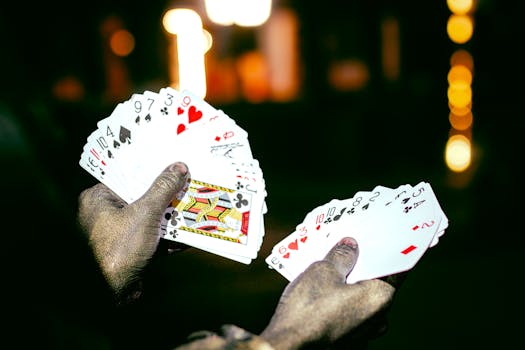
The allure of magic lies not just in the sleight of hand, but in the stories woven around each trick. From ancient street performers in Egypt to modern masters like Derren Brown, storytelling has always been the silent ingredient that transforms a trick into an unforgettable experience. Whether you’re a hobbyist or a professional magician, learning how to incorporate storytelling in your magic tricks is the key to captivating your audience and leaving a lasting impression.
The Power of Storytelling in the Art of Magic
Magic is more than deception; it’s an emotional journey. According to a 2021 survey by the International Brotherhood of Magicians, 73% of audiences reported that a magic trick with a strong story was more memorable than one without. Why is this the case? Stories engage the human brain on multiple levels. Neuroscientific studies reveal that when we hear a story, not only are our language-processing centers activated, but so are the parts of our brain that would be used if we were experiencing the events ourselves.
When you add a narrative to your magic, you are inviting your audience into a world of wonder. Instead of simply watching a coin vanish, they may be witnessing the disappearance of a pirate’s cursed gold, or the magical conclusion to an ancient riddle. Storytelling gives context, raises the stakes, and creates emotional investment.
Let’s break down the specific ways you can infuse your performances with compelling narratives.
Building a Narrative: Elements to Weave into Your Magic
To craft an engaging story around a magic trick, consider these fundamental storytelling elements:
1. $1: Who’s involved? Are you the wise wizard, a mischievous trickster, or an unassuming bystander caught in something extraordinary? 2. $1: Where is the magic taking place? The setting could be as grand as a medieval castle or as familiar as a neighborhood café. 3. $1: What is the problem or enigma? Perhaps a love letter must reach its destination, or a forbidden object must be concealed. 4. $1: How does the trick resolve the conflict? The magic itself becomes the solution, providing closure and satisfaction.Here’s a practical example: Suppose you’re performing the classic cups and balls trick. Instead of simply making balls vanish and reappear, you can frame the routine as an ancient bet between two rival magicians, each trying to outwit the other before the royal court. Suddenly, every movement and misdirection gains purpose and depth.
Choosing the Right Story for Your Magic Trick
Not every story fits every trick. The key is to match the narrative with the tone, complexity, and visual impact of the effect. Here’s a comparative table to help you select the most suitable storytelling approach for various types of magic tricks:
| Type of Trick | Ideal Storytelling Approach | Example Story |
|---|---|---|
| Card Tricks | Personal anecdotes, mysteries, detective tales | Recount finding a lost love letter hidden in a deck |
| Stage Illusions | Epic adventures, myths, legends | Channeling Houdini’s legendary escapes |
| Close-Up Magic | Everyday miracles, relatable situations | Turning pocket change into a birthday wish granted |
| Children’s Magic | Fairy tales, talking animals, magical objects | Helping a teddy bear find its missing button |
| Mentalism | Psychological mysteries, mind-reading, predictions | Solving an unsolved crime with audience’s thoughts |
As you can see, the most effective stories are those that resonate with the trick’s mechanics and the audience’s expectations.
Techniques for Seamlessly Integrating Story and Sleight
Incorporating storytelling into your routine is an art form in itself. Here are proven techniques for blending narrative and magic without sacrificing impact:
- $1: Open with a line or question that sparks curiosity. “Have you ever wondered what it would be like to hold a piece of history in your hands?” - $1: Treat your props as artifacts. A tattered playing card might be “the only surviving card from a legendary 19th-century gambler’s deck.” - $1: Match the story’s tempo to the pacing of the trick. Build suspense during setups, and provide release at the reveal. - $1: Involve spectators as characters. Invite them to make choices, play roles, or even “lend their luck” to the magic. - $1: Refer back to earlier details in your story to reinforce themes and make the conclusion more satisfying.For instance, David Copperfield’s famous “The Death Saw” illusion isn’t just a sawing-in-half act—it’s a dramatic escape story, complete with rising music, a race against time, and a narrative of overcoming impossible odds.
Adapting Stories for Different Audiences
A story that enchants children might fall flat with adults, and vice versa. Tailoring your narrative to your audience is crucial. Here are some strategies:
- $1: Use simple language, visual imagery, and interactive elements. Stories should be whimsical and easy to follow, with clear heroes and happy endings. - $1: Incorporate humor, subtlety, and relatable themes. Adults may appreciate stories with twists, moral dilemmas, or historical references. - $1: Consider inspirational stories of success, teamwork, or overcoming adversity. Connect the magic to themes relevant to the event or company. - $1: Avoid overly localized references. Instead, use universal themes—love, mystery, transformation—that cross cultural boundaries.According to a 2022 report by Magic Circle, magicians who adapted their stories for specific demographics saw a 40% increase in audience engagement and post-show feedback.
Enhancing Storytelling with Visuals and Performance
A compelling story is only as strong as its delivery. Here are ways to amplify your narrative through your performance:
- $1: Use your posture and gestures to embody characters or emotions. A worried look can convey suspense; a broad smile signals relief and joy. - $1: Change your tone, pitch, and speed to match the mood. Whisper during moments of suspense, project during climaxes. - $1: If possible, use background music or lighting to set the scene. A simple spotlight or a dramatic chord can heighten key moments. - $1: Even a subtle wardrobe change can reinforce your story’s setting or character.Consider Penn & Teller’s “Bullet Catch” routine, which uses dramatic lighting and somber narration to transform a dangerous stunt into a poignant meditation on trust and risk.
Final Thoughts on Storytelling in Magic Tricks
Storytelling is the magician’s secret weapon, elevating tricks from mere puzzles to powerful performances that resonate with audiences long after the final reveal. By carefully selecting your narrative, adapting it for your audience, and delivering it with passion, you can create magic that is not only mystifying but also truly memorable.
Whether you’re enchanting a group of children with fairy tales or thrilling adults with tales of intrigue, remember: in magic, the story you tell can be as astonishing as the trick itself. With practice and creativity, any magician can master the art of storytelling and transform every trick into a journey of wonder.