Captivating Audiences: How to Properly Present Magic Tricks in Public
Magic is more than simply knowing how a trick works; it’s an art form that blends performance, psychology, timing, and connection. Whether you’re a hobbyist eager to impress friends or an aspiring professional, how you present your magic in public is as crucial as the trick itself. In fact, a 2021 survey by the International Brotherhood of Magicians found that 78% of audiences rated “showmanship” as more memorable than the trick’s technical difficulty. If you want your magic to truly shine, you must master the art of presentation.
This article explores practical, expert-backed strategies for presenting magic tricks in public, ensuring your performances are engaging, polished, and unforgettable.
The Power of First Impressions in Magic
The first moments you step before an audience set the tone for your entire performance. Studies in the Journal of Social Psychology note that people form lasting opinions about a performer within the first 7 seconds. For magicians, this means every detail counts—from your attire and body language to your opening words.
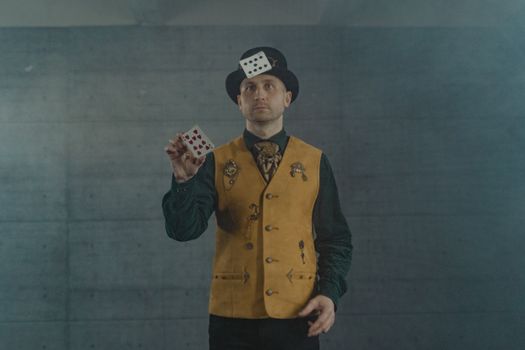
Dressing appropriately for your venue and audience is essential. For example, a formal suit may be suitable for corporate events, while a more relaxed, themed costume could work for birthday parties or street performances. But it’s not just about clothing. Your walk, posture, and facial expression should communicate confidence and enthusiasm.
Consider this scenario: Two magicians perform the same card trick. The first slouches, avoids eye contact, and mumbles. The second greets the audience with a warm smile, stands tall, and delivers a witty introduction. Even before the trick begins, the second magician has built anticipation and rapport, making their magic more impactful.
Building Audience Engagement and Participation
Audience engagement transforms a magic trick from a demonstration into an experience. According to Magic Magazine’s 2022 reader poll, magic performances that involved audience members scored 33% higher in overall enjoyment compared to those that did not.
Here are ways to foster audience connection:
- Ask for volunteers: Inviting someone to assist personalizes the experience. Always thank and respect participants to make them feel valued. - Use humor: Light jokes or playful banter can break the ice and ease audience nerves. - Address individuals: Use names, make eye contact, and acknowledge reactions. This human touch makes the show feel unique. - Read the room: Adapt your energy and pacing to audience feedback—if they’re lively, feed off it; if reserved, gently draw them in.For example, magician Derren Brown often uses subtle psychological cues to “read” his audience, tailoring his performance for maximum effect. You don’t need to be a mind reader, but being observant and responsive will always elevate your show.
Timing, Pacing, and the Art of Misdirection
In magic, timing isn’t just about when you reveal the secret; it’s about rhythm, suspense, and surprise. Mastering pacing ensures your audience remains captivated without feeling rushed or bored.
Pacing tips for public magic presentations: - Allow moments for astonishment: After a reveal, pause to let reactions sink in—don’t rush to the next trick. - Use pauses strategically: A well-timed silence can heighten suspense or direct focus. - Layer misdirection: Distract attention at key moments using gestures, storytelling, or humor.A classic example is the “French Drop,” a coin vanish that relies on the magician’s timing and natural hand movements to misdirect. Studies show that well-timed misdirection increases the perceived impossibility of a trick by up to 47% (Magic Research Institute, 2020).
In essence, treat your performance like a story with beats: introduction, build-up, climax, and conclusion. Map out each trick’s arc, rehearsing both the technical moves and the “moments” you want your audience to remember.
Voice, Language, and Storytelling in Magic
What you say—and how you say it—can make or break a magic trick. Strong vocal delivery ensures everyone can follow the action, while compelling storytelling adds depth and meaning.
Key elements for effective magical communication: - Project your voice: Speak clearly and loudly enough for the entire audience. Practice breath control and diction exercises. - Use dynamic language: Vary your tone, pitch, and tempo to match the mood. Whisper during suspenseful moments, then crescendo for surprises. - Craft a narrative: Even simple tricks benefit from a storyline. For instance, instead of merely producing a coin, weave a tale about finding lost treasure or granting a wish. - Avoid jargon: Use language your audience understands. Save technical terms for fellow magicians.Consider David Copperfield’s famous “Flying” illusion. More than just levitation, he frames it as a childhood dream come true, turning a technical feat into an emotional journey the audience can relate to.
Handling Mistakes and Difficult Situations Gracefully
Even seasoned magicians encounter mishaps—props break, tricks fail, or skeptical audience members try to expose secrets. Your ability to handle these moments can define your reputation.
Strategies for managing on-stage challenges: - Practice recovery lines: Have humorous or self-deprecating lines ready if something goes wrong. For example, “That’s the first time that’s ever worked!” can defuse tension. - Don’t panic: Maintain composure and move on smoothly. Often, the audience won’t notice unless you draw attention to the error. - Prepare backup tricks: If a trick fails, transition to another effect without hesitation. - Deal with hecklers: Respond with good-natured humor, never hostility. Thank them for their “enthusiasm” and redirect focus to the magic.In a 2018 survey of professional magicians, 64% reported that “grace under pressure” was their most valuable skill during live performances. Remember, audiences are usually rooting for you—they want to be amazed, not embarrassed.
Choosing the Right Trick for the Right Audience
Not all tricks suit all situations. Matching your material to your audience is key for a memorable performance. Here’s a comparison table to guide your selections:
| Audience Type | Recommended Trick Types | Presentation Tips |
|---|---|---|
| Children (Ages 5-12) | Colorful props, visual magic, comedy | Keep routines short, use simple language, encourage participation |
| Teenagers | Mind-reading, street magic, technology tricks | Use modern references, allow for skepticism, be energetic |
| Adults | Card magic, mentalism, storytelling effects | Engage with stories, use sophisticated humor, respect intelligence |
| Corporate Events | Custom-branded tricks, team-building effects, close-up magic | Dress professionally, tie tricks to company themes, be concise |
| Street/Public Spaces | Quick visual tricks, crowd-builders, interactive routines | Be loud/clear, attract attention, adapt to unpredictable settings |
Selecting the right material ensures your magic resonates and feels appropriate for the context. For instance, a long, narrative-driven card trick may lose a crowd’s interest at a noisy street fair, but could captivate a quiet dinner party.
Final Thoughts: Elevating Your Magic Through Presentation
Presenting magic tricks in public is about creating memorable moments, not just fooling an audience. The best magicians blend technical skill with charisma, timing, empathy, and adaptability. By focusing on first impressions, engaging your audience, mastering timing and storytelling, handling mistakes with grace, and tailoring your tricks to the occasion, you can ensure every performance is not just a demonstration—but a true experience.
As you refine your craft, remember the words of magician Jean Eugène Robert-Houdin: “A magician is an actor playing the part of a magician.” Treat every show as theater, and you’ll leave your spectators not just baffled, but delighted.