The Czech lands—today’s Czech Republic, comprising Bohemia, Moravia, and part of Silesia—have a captivating and complex history of magic that mirrors the nation’s evolving cultural, religious, and scientific identity. From ancient Slavic rites to the vibrant magical renaissance of Prague, and from grim witch trials to the flourishing of theatrical magic, the tradition of magic in the Czech lands is a fascinating journey through belief, fear, artistry, and intellect. In this in-depth exploration, we chart the evolution of magic in the Czech lands, revealing how its forms changed through the centuries and how Czech magicians influenced the broader world of illusion and the occult.
The Early Roots: Paganism and Slavic Folk Magic
Long before the emergence of Christianity, the Slavic tribes inhabiting what is now the Czech Republic practiced a rich tapestry of magical rituals and beliefs. Archaeological finds, such as amulets, carved idols, and ritual pits, suggest that the early Czechs honored a pantheon of gods and nature spirits. Magic, for them, was a way to interact with the unseen world, ensure good harvests, protect against misfortune, and heal the sick.
Folk healers and village wise-women, known as “bába” or “vědma,” played vital roles in rural communities. They employed herbal remedies, incantations, and divination techniques—practices that blended seamlessly with daily life. Even after the Christianization of Bohemia in the 9th and 10th centuries, many of these magical traditions persisted underground or became intertwined with Christian beliefs.
By the 14th century, chroniclers such as Kosmas recorded the persistence of pagan customs and the use of spells and charms. This period saw a gradual shift as the church sought to stamp out “superstitio,” but the deep roots of folk magic meant it lingered for centuries.
Alchemy, Astrology, and the Prague Renaissance
The late Middle Ages and Renaissance brought an intellectual flowering to the Czech lands, especially in Prague—which became a hub for scholars, alchemists, and esoteric thinkers. The reign of Emperor Rudolf II (1576–1612) marked a golden age for the magical arts. Rudolf, a passionate collector and patron, transformed Prague into the “magical capital of Europe,” attracting renowned figures like John Dee, Edward Kelley, and Michael Maier.
Alchemy flourished, driven by the quest for the philosopher’s stone, transmutation of metals, and the elixir of life. Astrology and the occult sciences were studied alongside mathematics and astronomy. Rudolf’s court was legendary for its tolerance of unconventional ideas, blending science, magic, and art in a way that was unique for its time.
Here are some notable personalities and events from this era:
- John Dee and Edward Kelley, English magicians and alchemists, conducted experiments and spirit communications in Prague from 1584 to 1589. - Michael Sendivogius, a Polish alchemist, contributed to early chemistry while working in Bohemia. - The city’s Old Jewish Cemetery houses the grave of Rabbi Judah Loew ben Bezalel, reputed creator of the Golem—a magical clay figure animated by mystical means, now a symbol of Prague’s magical lore.This period’s blend of serious scholarship and magical experimentation left a lasting mark on Czech culture and literary imagination.
Witch Trials, Persecution, and the Dark Side of Magic
While the Prague Renaissance celebrated magical inquiry, the broader Czech lands were not immune to the dark tides of superstition and fear. From the late 16th to the 18th century, witch trials swept across Europe, and Bohemia and Moravia saw their share of persecution.
Between 1678 and 1696, the infamous Velké Losiny witch trials unfolded in Moravia, leading to the execution of at least 56 people. Accusations of witchcraft often targeted marginal or vulnerable individuals—especially women—blamed for everything from crop failures to sudden illnesses. Torture and coerced confessions were common, and the trials left a traumatic legacy.
Despite the brutality, many elements of folk magic continued quietly. Amulets, protective charms, and healing spells remained in circulation well into the 19th century, illustrating the resilience of magical practices even under threat.
The Birth of Modern Stage Magic in the Czech Lands
By the 19th century, the Enlightenment and the rise of rationalism brought new attitudes toward magic. Superstitions were increasingly dismissed by the educated classes, but a new form of magic began to captivate the Czech public—theatrical or “stage” magic.
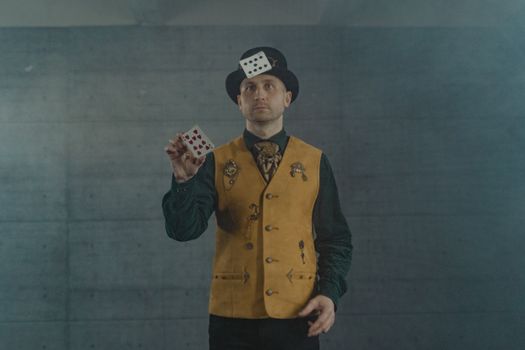
Czech magicians, inspired by French and English illusionists, began to develop their own styles and performances. The first major Czech stage magician was Antonín Lang, who performed in the 1860s and 1870s, dazzling audiences with sleight of hand and mechanical tricks. The art of magic shifted from the secretive and mystical to the spectacular and entertaining.
Notable Czech magicians from the late 19th and early 20th centuries include:
- Karel Pospíšil (“Karel the Great”), who toured Europe and America with elaborate stage illusions. - Jan Švankmajer, not a magician in the traditional sense, but a surrealist filmmaker and artist whose work is deeply influenced by Czech magical folklore and puppetry.Theatres in Prague and other cities hosted elaborate magic shows, cementing the Czech lands’ reputation as a center of magical performance art.
Magic Under Communism and the Modern Revival
The Communist era (1948–1989) brought restrictions and censorship to all forms of cultural expression, including magic. Public performances were carefully monitored, and magic as an “unscientific” pursuit was sometimes viewed with suspicion. Yet, stage magic endured as a popular form of family entertainment, offering escapism and wonder amid political repression.
After the Velvet Revolution of 1989, the Czech Republic saw a renaissance of interest in both the history and practice of magic. Magic clubs, festivals, and schools flourished, and Czech magicians began to win recognition on the international stage. In 2018, Czech magician Ondřej Pšenička gained global fame with his “Butterfly Playing Cards,” used by magicians worldwide.
Today, the Czech Republic hosts several annual magic festivals, including the Prague Magic Carnival, and boasts a vibrant community of performers and enthusiasts. The legacy of Czech magic is visible in literature, art, and popular culture, blending ancient tradition with modern creativity.
Comparing Magical Eras in the Czech Lands
To illustrate the dramatic evolution of magical traditions in the Czech lands, consider the following comparison:
| Era | Main Type of Magic | Key Figures | Public Perception | Notable Events/Practices |
|---|---|---|---|---|
| Pre-Christian & Early Medieval | Folk magic, shamanism | Village wise-women (vědma) | Integrated into daily life | Fertility rites, healing spells, divination |
| Renaissance (16th–17th c.) | Alchemy, astrology, occult | Rudolf II, John Dee, Edward Kelley | Respected, scholarly pursuit | Alchemy labs, Golem legend |
| Witch Trial Era (17th–18th c.) | Persecuted witchcraft | Accused “witches” | Feared, criminalized | Velké Losiny witch trials |
| 19th–Early 20th c. | Stage magic, illusion | Antonín Lang, Karel the Great | Entertainment, artistry | Theatre magic shows |
| Modern Era (20th–21st c.) | Stage magic, revival of folklore | Ondřej Pšenička, magic clubs | Celebrated, creative | Magic festivals, international awards |
The Legacy and Ongoing Influence of Czech Magic
The story of magic in the Czech lands is one of transformation and resilience. From ancient rituals to the dazzling illusions of today’s performers, Czech magic has continuously adapted to changing times. Its legacy is preserved in the folklore of the Golem, the haunted streets of Prague, and the vibrant scene of contemporary magic.
The Czech Republic’s unique blend of folklore, history, and artistry continues to inspire magicians, writers, and filmmakers around the world. The tradition’s endurance—through centuries of religious upheaval, persecution, political repression, and cultural renewal—testifies to the enduring human fascination with the mysterious and the marvelous.
Whether through the secret knowledge of a village healer, the scholarly investigations of an alchemist, the resilience of the accused “witch,” or the artistry of a stage magician, magic in the Czech lands remains a symbol of both the power and the wonder of the human imagination.