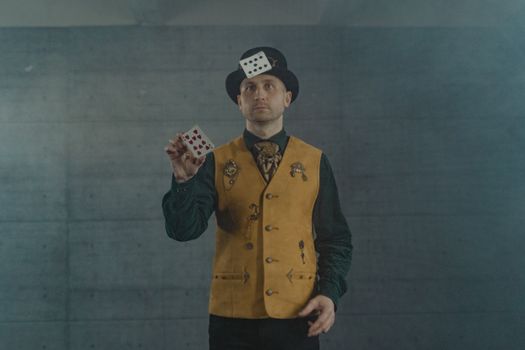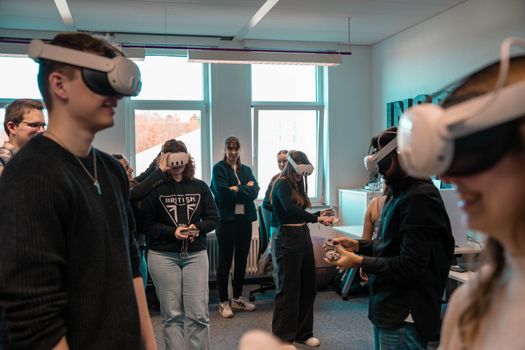
The world of magic has always been about surprise, spectacle, and the impossible made real. For centuries, magicians have astounded audiences with sleight of hand, clever misdirection, and mind-bending illusions. But in the 21st century, a new force is reshaping the art of magic: technology. From smartphones to augmented reality, modern gadgets are enabling magicians to create tricks that were unimaginable just a generation ago. This fusion of digital innovation and classic conjuring is not only changing how tricks are performed, but also redefining what audiences believe is possible. Let’s explore how technology is revolutionizing the world of magic, the tools magicians are using, and what this means for the future of illusion.
The Digital Revolution in Magic
The integration of technology into magic is not just a passing fad—it’s a profound transformation. According to a 2023 survey by the International Brotherhood of Magicians, over 62% of professional magicians incorporate some form of technology into their acts. Digital devices, once considered a threat to traditional magic, are now essential tools of the trade.
The rise of smartphones and tablets has been particularly significant. Since 2010, there has been a surge in magic apps—over 1,500 available on both iOS and Android—that allow performers to produce, vanish, or transform digital objects right on the screen. For example, magician Simon Pierro, known as “The iPad Magician,” has built an international career with tricks that blur the line between the virtual and real worlds. His viral videos, amassing over 80 million views, showcase how apps and touchscreens can be manipulated to create stunning illusions, such as pulling digital objects out of the device into real life.
But the digital revolution goes beyond screens. Microelectronics, tiny sensors, and wireless communication have opened entirely new realms of possibility. Wearable devices, discreet remote controls, and even augmented reality headsets are pushing the boundaries of what a magic trick can be.
Modern Gadgets at the Magician’s Fingertips
Today’s magicians have access to a toolkit that would have seemed like science fiction to earlier generations. Here are some of the most popular and innovative gadgets transforming magic acts:
1. $1: Beyond magic apps, these devices can use NFC (Near Field Communication) and Bluetooth to trigger hidden mechanisms or effects. For instance, a magician might trigger a confetti cannon or remotely unlock a box with a tap on their phone. 2. $1: Devices such as Microsoft HoloLens or the Magic Leap headset allow magicians to create illusions visible only to certain audience members, or to everyone through AR-enabled screens. Imagine a playing card floating in midair, only visible through special glasses. 3. $1: Light-up props with microcontrollers can be programmed to flash, change color, or reveal secret messages at just the right moment. These are especially popular in stage magic, light shows, and dance-magic hybrids. 4. $1: Tiny embedded chips can be hidden in cards, coins, or other props. When brought near a reader (often disguised as a regular object), they trigger effects or reveal information to the magician. 5. $1: Some illusionists have incorporated drones to levitate objects, deliver items, or even create interactive light displays as part of their routines.According to Magic Magazine, over 35% of new magic products released in 2022 involved some form of digital or electronic technology, highlighting how swiftly the field is advancing.
Classic Magic vs. Tech-Enhanced Magic: A Comparison
How does the experience of classic sleight-of-hand magic stack up against tech-driven illusions? The table below compares key aspects of both approaches.
| Aspect | Classic Magic | Tech-Enhanced Magic |
|---|---|---|
| Methods | Sleight of hand, misdirection, physical props | Apps, electronics, AR/VR, digital props |
| Audience Reaction | Wonder rooted in skill and tradition | Surprise at blending reality and digital effects |
| Setup & Preparation | Manual practice, hidden objects | Programming, device setup, battery management |
| Repeatability | Can be repeated with practice | Depends on tech reliability and updates |
| Learning Curve | Years of manual practice | Technical know-how and troubleshooting |
While classic magic relies on dexterity and psychological misdirection, tech-enhanced magic leans into spectacle—combining real-world objects with digital illusions. Neither approach is inherently “better,” but together, they offer a broader palette for today’s performers.
How Technology is Changing Audience Perception
One of the most profound effects of technology on magic is how it changes what audiences expect and believe. In the past, spectators marveled at a magician’s nimble fingers or the secrets of a cleverly constructed box. Now, with everyone carrying powerful technology in their pockets, audiences are more skeptical—and also more open to believing in “impossible” effects.
For example, if a magician makes a card appear inside a smartphone, some viewers might assume it’s “just an app.” Others, however, are genuinely amazed, especially if the trick involves elements of personalization or real-time interaction. In fact, in a 2022 YouGov poll, 41% of respondents said they found tech-enhanced magic “just as impressive, if not more so” than traditional tricks, provided the magician clearly demonstrated skill and showmanship.
Furthermore, technology enables a level of interactivity that was previously impossible. Magicians can now perform tricks that involve live audience participation via social media polls, interactive websites, or even real-time video calls. This creates a sense of immersion and immediacy that resonates with today’s digitally savvy audiences.
Notable Magicians Pushing the Tech Boundaries
Several modern magicians have become household names specifically because of their innovative use of technology:
- $1: Known as the “Cyber Illusionist,” Tempest uses AR, VR, and robotics to create performances that blend science, storytelling, and magic. His TED Talks have been viewed over 3 million times, showcasing card tricks with drones and illusions using real-time projection mapping. - $1: As a champion of digital magic, Leyser’s acts incorporate iPads, drones, and even holograms. He holds the Guinness World Record for the fastest time to solve a Rubik’s cube using a robotic arm during a live magic show. - $1: As mentioned earlier, Pierro’s iPad magic has made him a viral sensation and a pioneer in “digital magic,” where physical and virtual objects seamlessly interact.These performers highlight how technology is not merely a gimmick but an integral part of modern magical storytelling.
The Future: Where Magic and Technology Are Headed
As technology continues to evolve, so too will the art of magic. With the advent of artificial intelligence, machine learning, and advanced robotics, the possibilities are nearly endless. For instance, AI algorithms can help magicians analyze audience reactions in real time, adjusting a performance for maximum impact. There are even prototypes of “magical” robots that can perform tricks autonomously, raising intriguing questions about the role of the human magician.
Virtual reality (VR) is another frontier. Imagine attending a magic show from your living room, fully immersed in a 3D world where the laws of physics no longer apply. In 2024, a startup called Magic Leap Studios announced a partnership with leading magicians to develop VR magic experiences, aiming to reach a projected audience of over 1 million users within two years.
However, as technology becomes more advanced, magicians must strike a careful balance. Audiences may be dazzled by digital illusions, but they still crave the personal touch and charisma of a skilled performer. The magicians who succeed will be those who blend technological wizardry with timeless showmanship.
Embracing the New Age of Magic
Magic has always thrived by evolving with the times, and today’s technological boom is simply the latest chapter in this long story. Modern gadgets and digital innovations are not replacing traditional magic—they’re giving performers new ways to surprise, delight, and connect with audiences.
Whether it’s a card vanishing into a smartphone, a drone delivering a chosen object, or an illusion crafted with augmented reality, the essence of magic remains unchanged: the pursuit of wonder. As technology continues to reshape our world, magicians will keep finding creative ways to make the impossible possible, ensuring that the art of illusion remains as captivating as ever.