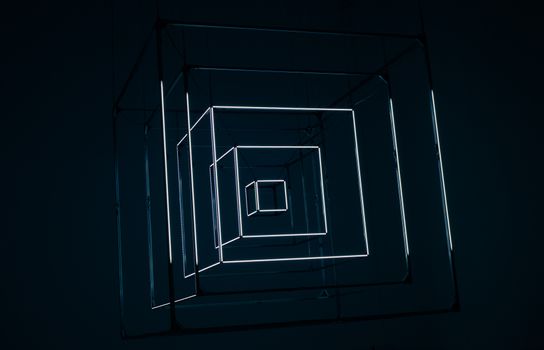
Throughout history, magic tricks have captivated audiences, inspiring wonder and sparking curiosity. But beyond the theater or street performance, the influence of magic extends far into the creative world—especially modern art installations. Today, artists across the globe are borrowing principles and aesthetics from magic to transform static artworks into immersive, interactive experiences that challenge perception and invite participation. This fascinating intersection between illusion and art is not just a passing fad; it’s redefining how we experience and interpret contemporary installations.
The Origins: From Stage Illusion to Art Gallery
To understand the connection between magic tricks and modern art installations, it’s helpful to look back at their shared roots. Both magic and art have long sought to challenge the boundaries of reality, using deception and surprise to provoke thought and emotion.
In the late 19th and early 20th centuries, stage magicians like Jean Eugène Robert-Houdin and Harry Houdini dazzled crowds with feats that seemed to defy logic. Their performances were not just about entertainment—they were carefully crafted spectacles that manipulated perception, attention, and expectation. Around the same time, artists in movements such as Surrealism and Dadaism began experimenting with methods to disrupt viewers’ sense of reality, using visual puns, ambiguous images, and unexpected juxtapositions.
Today, contemporary artists are borrowing not just the spirit but the actual techniques of magic—misdirection, optical illusions, sleight of hand, and more—to engage viewers in new and surprising ways. According to a 2021 survey by Art Basel, over 23% of major contemporary art installations incorporate elements of illusion or perceptual trickery, a number that has doubled since 2005.
Magic’s Toolkit: Techniques Borrowed by Modern Artists
What exactly are artists borrowing from magicians? Several key techniques from magic’s repertoire have found fertile ground in the world of modern art installations:
Misdirection: Just as a magician diverts your attention with a flourish, artists use lighting, sound, or physical pathways to guide visitors’ eyes and minds away from the “secret” behind the illusion. For example, the immersive installations of James Turrell employ carefully hidden light sources and architectural cues to create the sensation of floating in color.
Optical Illusions: Trompe-l'œil painting has been used for centuries, but contemporary artists take illusion further. Anish Kapoor’s “Cloud Gate” in Chicago uses mirrored surfaces to warp and multiply reflections, while Es Devlin’s mirrored labyrinths disorient and delight viewers, making them question the boundaries between space and self.
Interactive Trickery: Many installations demand active participation, much like a magic trick that needs a volunteer. Dutch artist Daan Roosegaarde’s “Waterlicht” uses laser light and smoke to simulate a virtual flood, requiring viewers to walk through and interact with the effect.
Secret Mechanisms: Hidden levers, magnets, or sensors embedded in artworks can trigger movement, sound, or transformation—much like the secret compartments in classic magic props. For instance, Rafael Lozano-Hemmer’s “Pulse Room” uses biometric sensors to translate a visitor’s heartbeat into a synchronized light show.
By utilizing a magician’s toolkit, these artists invite viewers not just to observe but to engage, question, and even participate in the act of creation.
Case Studies: Art Installations Inspired by Magic
Across museums, galleries, and public spaces, numerous installations stand as testaments to the enduring influence of magic tricks. Here are three groundbreaking examples:
1. “Disappear” by Jeppe Hein: Hein’s mirrored maze installations use reflective surfaces and hidden corridors to create the illusion of infinite space. Visitors often find themselves “disappearing” from view, echoing classic vanishing acts from stage magic. 2. “The Weather Project” by Olafur Eliasson: Installed at London’s Tate Modern in 2003, this vast installation used mist, mirrors, and a semi-circular array of mono-frequency lamps to create the illusion of a giant sun. Over two million people visited, with many lying on the floor to bathe in the surreal, otherworldly light—mirroring the communal awe often inspired by magic shows. 3. “Mona Lisa Effect” in TeamLab’s Borderless: The Japanese art collective TeamLab uses digital projections and motion sensors to create interactive environments where flowers bloom, birds fly, and images morph in real time, responding to visitors’ movements. The effect is both magical and participatory, with over 2.3 million visitors in its first year.Such installations blur the line between performer and audience, making everyone a participant in the artwork’s illusion.
Comparing Magic Tricks and Modern Art Installations
To better understand how these worlds intersect, it’s helpful to compare their core elements directly. Below is a comparative overview highlighting similarities and differences:
| Aspect | Magic Tricks | Modern Art Installations |
|---|---|---|
| Purpose | Entertain, surprise, and mystify | Engage, provoke thought, and inspire wonder |
| Techniques | Misdirection, sleight of hand, optical illusions, secret mechanisms | Misdirection, optical illusions, interactive technology, hidden mechanisms |
| Audience Role | Passive or participatory (volunteers) | Active, immersive, often required for full experience |
| Presentation Setting | Theater, street, television | Museums, galleries, public spaces, digital platforms |
| Duration | Short (seconds to minutes) | Extended (minutes to hours or ongoing) |
This table highlights how the boundary between magic tricks and modern art installations is increasingly porous, with both fields learning from and enriching each other.
The Psychology of Perception: Why Illusion Captivates Us
Why do illusions—whether on the magician’s stage or in an art gallery—hold such enduring appeal? The answer lies in the psychology of perception. Human brains are wired to seek patterns and make sense of the world. When confronted with an illusion, our expectations are disrupted, triggering surprise, delight, and a sense of mystery.
A 2019 study in the journal “Perception” found that participants exposed to optical illusions reported a 35% increase in positive emotions and curiosity compared to those viewing traditional artworks. The element of uncertainty and the challenge to “figure it out” makes illusions particularly engaging.
Moreover, research from University College London showed that interactive installations—those requiring active viewer participation—lead to a 47% higher recall rate of the experience compared to passive viewing. This engagement is similar to the excitement and personal investment felt when participating in a magic trick.
Technology’s Role: The Future of Magic-Inspired Art Installations
As technology advances, the possibilities for magic-inspired art installations are expanding rapidly. Digital projection, augmented reality (AR), and artificial intelligence (AI) are enabling artists to create illusions and experiences unimaginable a decade ago.
For example, in 2022, the AR installation “Mirage” by artist Refik Anadol projected shifting, hyper-realistic landscapes onto city buildings, viewable through smartphones. Over 120,000 people interacted with the installation globally, each experiencing a personalized illusion based on their movement and location.
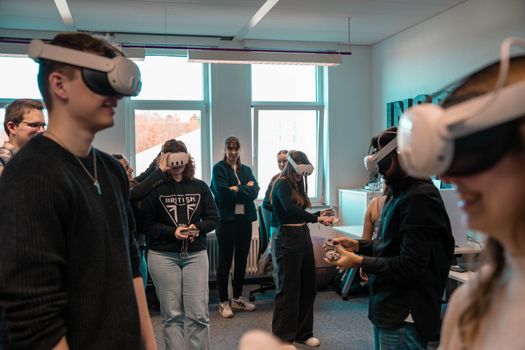
AI-driven installations can now adapt in real time to audience responses, creating endless variations of “the trick.” Meanwhile, virtual reality (VR) allows entire worlds of illusion to be built, where the boundaries of perception can be manipulated at will.
According to a 2023 report by the International Association of Art Installations, over 40% of new large-scale installations incorporate some form of digital or interactive illusion—up from just 15% a decade earlier.
Final Thoughts: Magic’s Enduring Impact on Contemporary Art
The influence of magic tricks on modern art installations is more than a fleeting trend—it’s a profound evolution that’s reshaping how we understand art, perception, and participation. By borrowing from the magician’s playbook, contemporary artists are crafting experiences that enchant, challenge, and involve viewers like never before.
As technology opens new frontiers for illusion and interaction, it’s likely that the partnership between magic and art will only deepen, offering ever more astonishing experiences that blur the line between reality and imagination. For art lovers and magic fans alike, the future promises a world where the impossible becomes possible—one installation at a time.