The History of Magic and Its Evolution Over Time: From Ancient Rituals to Modern Entertainment
Magic has captivated the human imagination for millennia, weaving its way through the tapestry of culture, religion, and entertainment. Its story is not just about sleight of hand or grand illusions, but about humanity’s enduring quest for wonder, power, and meaning. From ancient shamans invoking spirits to today’s stage magicians dazzling audiences with high-tech feats, magic’s evolution mirrors our own journey through history. This article delves into the fascinating history of magic, tracing its transformation across eras, cultures, and continents, and shedding light on why it continues to enchant us.
The Roots of Magic: Ancient Civilizations and Rituals
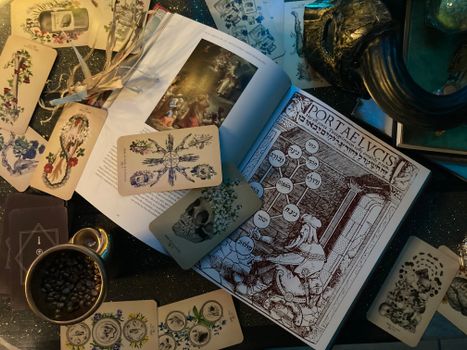
The origins of magic reach back to the dawn of civilization. Archaeological evidence suggests that as early as 3000 BCE, ancient Egyptians practiced forms of ritual magic, often intertwined with religion. Magical spells and incantations appear in the Egyptian Book of the Dead, and magicians—called heka—were esteemed intermediaries between the mortal and divine realms. These practitioners were believed to wield supernatural powers, healing the sick or protecting the pharaohs.
Similarly, in ancient Mesopotamia, magic was a part of daily life. Clay tablets from as far back as 2000 BCE describe rituals for warding off evil spirits and curing diseases. In Greece, magicians known as magoi used incantations, potions, and amulets, while the Oracle of Delphi relied on mystical rituals to deliver prophecies. Across continents, indigenous shamans performed ceremonies to heal, hunt, or influence the weather, often entering trance states believed to connect them to spirit worlds.
For these early societies, magic was not seen as mere entertainment but as a vital tool for survival, healing, and influencing the natural world. It was both a science and a sacred art, closely linked with religion and the mysteries of existence.
Magic in the Middle Ages: From Sorcery to Spectacle
As societies grew more complex, so did their attitudes toward magic. In medieval Europe, magic became a subject of fascination and fear. On one hand, the Church condemned certain magical practices as heresy or witchcraft, leading to infamous witch hunts and trials. The Malleus Maleficarum, published in 1487, became a notorious manual for identifying and prosecuting witches, contributing to the execution of an estimated 40,000-60,000 people accused of witchcraft between the 15th and 18th centuries.
Yet, not all magic was condemned. Alchemists, astrologers, and court magicians thrived in royal courts, blending scientific inquiry with mystical arts. The legendary Merlin, advisor to King Arthur, and John Dee, consultant to Queen Elizabeth I, are iconic examples of magicians who moved freely between the worlds of science, magic, and politics.
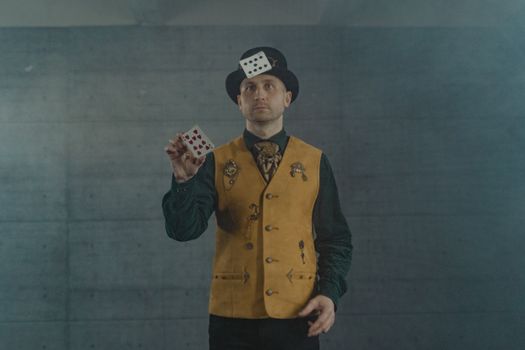
During this era, a new form of magic began to emerge: performance magic. Street performers used cups and balls, card tricks, and sleight of hand to amaze and entertain. The earliest recorded cups and balls trick dates to 3rd century BCE Egypt, but by the Middle Ages, such tricks had spread throughout Europe and Asia, laying the foundation for modern magic shows.
The Birth of Modern Magic: 18th and 19th Century Transformations
The Enlightenment brought sweeping changes to magic, as rationalism and scientific inquiry took center stage. Supernatural explanations began to yield to natural science, and magic started to shed its mystical associations. Public attitudes shifted: magic was increasingly seen as clever trickery rather than real supernatural power.
The 18th and 19th centuries witnessed the rise of the professional magician. In 1845, Jean Eugène Robert-Houdin, a French clockmaker, opened the world’s first magic theater in Paris. He is widely credited with transforming magic from a street pastime into a sophisticated theatrical art. Robert-Houdin introduced elegant stage illusions, automata, and innovative lighting, inspiring generations of magicians.
Magic’s popularity soared during the Victorian era. The famous English magician John Nevil Maskelyne ran a magic theater in London for more than 30 years, pioneering stage illusions and mechanical tricks. The American magician Harry Kellar toured internationally, while Harry Houdini, perhaps the most famous magician in history, captivated audiences with daring escapes and death-defying stunts.
The period also saw the development of classic magic apparatus—such as the sawing-a-woman-in-half illusion (first performed in 1921), linking rings, and levitation effects. Magic clubs and societies, like The Magic Circle (founded in 1905), fostered a sense of community and professionalism among magicians.
Magic Across Cultures: Global Traditions and Influences
While Western stage magic often dominates popular imagination, magic has deep roots in cultures around the world. In China, conjuring arts have a history spanning over 2000 years. The Chinese magician Ching Ling Foo (1854–1922) wowed both Asian and Western audiences with feats like producing endless bowls of water and transforming objects into live animals. Indian magic is renowned for legends such as the Indian rope trick and snake charming, which fascinated Western travelers and inspired countless imitators.
African traditions blend magic with spirituality and healing. Diviners, rainmakers, and witch doctors use ritual objects, spoken charms, and symbolic actions to influence events or explain misfortune. In the Americas, Native American shamans and South American curanderos have long used magical rituals for healing and guidance.
This cross-cultural exchange shaped the evolution of magic as colonial powers, traders, and performers traveled the globe. By the early 20th century, magicians routinely incorporated exotic themes and illusions into their acts—sometimes perpetuating stereotypes, but also celebrating the universality of magical wonder.
The Golden Age and Modernization of Magic
Magic reached new heights during the late 19th and early 20th centuries, often called the Golden Age of Magic. Theaters dedicated to magic flourished in major cities, and magicians like Howard Thurston, Alexander Herrmann, and Chung Ling Soo became household names. Elaborate illusions, grand stage sets, and spectacular escapes drew crowds of thousands.
Technology played an increasing role in shaping magic. The introduction of electric lighting, mirrors, and trap doors enabled more complex illusions. In 1918, Houdini famously made an elephant disappear at the Hippodrome in New York, a feat involving stage machinery and misdirection rather than supernatural means.
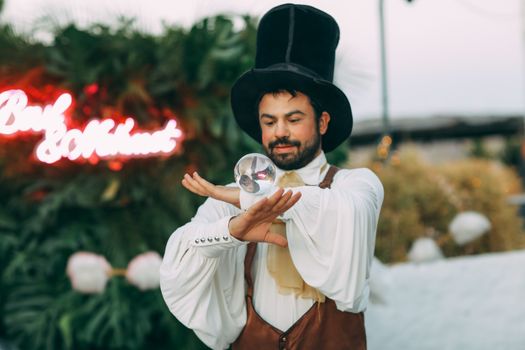
After World War II, magic adapted to new media. Television brought magicians like Mark Wilson and Doug Henning into living rooms across America, while Las Vegas became a mecca for magic superstars, including Siegfried & Roy, David Copperfield, and Penn & Teller. By the 21st century, magic had diversified into street magic (popularized by David Blaine and Dynamo), comedy magic, and digital magic using apps and augmented reality.
Comparing Magical Practices: Past vs. Present
Magic has shifted dramatically in purpose, presentation, and perception over time. The following table highlights key differences between traditional and modern magic:
| Aspect | Traditional Magic | Modern Magic |
|---|---|---|
| Main Purpose | Religious, healing, community rituals | Entertainment, art, commercial performance |
| Practitioner Role | Shaman, priest, healer, sorcerer | Professional magician, entertainer |
| Performance Context | Private or communal ceremonies | Stage shows, TV, online platforms |
| Tools and Methods | Herbs, amulets, incantations | Props, technology, psychology |
| Audience Belief | Often believed to be real supernatural acts | Understood as illusion or trickery |
| Notable Figures | Merlin, shamans, priestesses | Houdini, Copperfield, Penn & Teller |
Magic’s Enduring Appeal: Why It Still Matters
Despite—or perhaps because of—our modern, scientific worldview, magic continues to thrive. In the 21st century, over 15,000 magicians are registered with The International Brotherhood of Magicians, and global magic conventions attract tens of thousands of enthusiasts annually. Magic’s appeal lies in its ability to evoke wonder, challenge perception, and create shared experiences of mystery.
Psychologists have shown that magic tricks exploit cognitive blind spots, revealing how our brains process information and make assumptions. This makes magic not just a form of entertainment, but a window into human perception and the art of storytelling.
Magic’s evolution reflects broader cultural shifts, from sacred ritual to spectacle, from secret knowledge to mass entertainment. Yet at its core, magic remains a celebration of imagination and the impossible—a timeless reminder that wonder is an essential part of the human experience.