Magic and wizards have long enchanted the human imagination. From ancient myths and folklore to modern novels and blockbuster films, these subjects captivate with their promise of the impossible made real. Yet, as much as magic and wizardry are loved, they are also deeply misunderstood. Over centuries, myths and misconceptions have grown around the idea of wizards and magic, sometimes blending fact with fiction and often distorting the real origins and purposes behind these mystical traditions.
In this article, we’ll explore the five biggest myths about wizards and magic, revealing the truths hidden behind centuries of storytelling and pop culture. Whether you’re a fantasy fan, a budding magician, or simply fascinated by the history of the mystical, understanding these myths can deepen your appreciation of both the fiction and reality behind magic.
Myth 1: Wizards Are Always Old Men With Long Beards
When most people picture a wizard, the image that springs to mind is almost always the same: an elderly man with a flowing beard, robes, and a pointed hat. This stereotype has been popularized by figures like Merlin from Arthurian legend, Gandalf in "The Lord of the Rings," and Dumbledore in the "Harry Potter" series.
However, this image is largely a product of Western folklore and modern media. In reality, magical practitioners throughout history and across cultures have come in all ages, genders, and appearances. For example, in the Yoruba tradition of West Africa, powerful sorcerers and priestesses known as Babalawos and Iyanifas may be men or women of various ages. In ancient Greece, women known as “pharmakides” or “witches” were believed to possess powerful magical knowledge.
The stereotype of the bearded wizard likely grew out of medieval depictions of wise men and scholars, for whom beards were a sign of wisdom and age. Later, Victorian and Edwardian illustrators cemented this look in children's fantasy books. But the truth is, magical traditions are far more diverse than the typical storybook wizard.
Myth 2: Magic Is All About Casting Spells and Waving Wands
Thanks to popular franchises, many believe that magic is synonymous with spellcasting, wand-waving, and dramatic incantations. While these elements make for exciting stories, historical records show that magical practices were far more varied and practical.
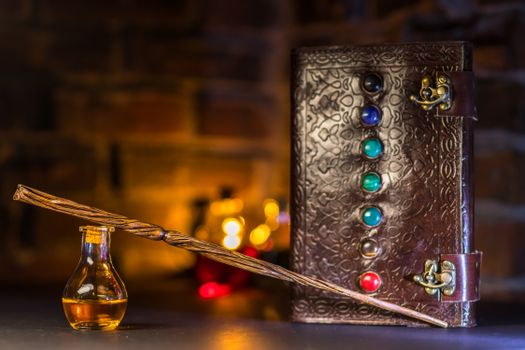
Ancient magicians often used written charms, herbs, potions, or intricate rituals rather than spoken spells alone. For example, the Egyptian “Book of the Dead” is filled with spells for protection and guidance in the afterlife, but these were intended to be recited or inscribed by priests, not just wizards. In medieval Europe, “grimoires” – books of magic – contained instructions on astrology, alchemy, and even early chemistry.
Furthermore, the idea of the magic wand as a universal tool is largely fictional. While some traditions used wands or staffs (the ancient Greeks and Egyptians included), many did not. Instead, magical implements varied widely: from staves and swords in ceremonial magic, to stones, bones, or even household items in folk magic.
Myth 3: Wizards and Magic Are Always about the Supernatural
It’s easy to assume that wizards and magic are always linked to the supernatural or the occult. But historically, the line between “magic” and “science” was not always clear. Many early wizards were actually proto-scientists, experimenting with nature to unlock its secrets.
Consider the famous John Dee, a 16th-century figure who was both Queen Elizabeth I’s court astronomer and a practitioner of alchemy, mathematics, and what he called “angelic magic.” Dee’s work included navigation, optics, and cryptography, disciplines now seen as scientific but then deeply intertwined with mystical beliefs.
Even today, the language of magic persists in science. The word “alchemy” gave rise to “chemistry,” and “magnetism” was once believed to be a magical force. Isaac Newton, one of history’s greatest scientists, wrote more on alchemy and biblical prophecy than on physics.
The table below compares key differences and overlaps between historical magic and science:
| Aspect | Historical Magic | Early Science |
|---|---|---|
| Primary Goal | Influence or understand supernatural forces | Explain and predict natural phenomena |
| Methods Used | Rituals, symbols, charms, talismans | Observation, experimentation, mathematics |
| Famous Practitioners | Merlin, Paracelsus, Cagliostro | Galileo, Newton, Kepler |
| Overlap | Alchemy, astrology, herbal medicine | |
| Modern View | Considered superstition/folklore | Basis for modern science |
This comparison shows how much what we now call “magic” once overlapped with exploratory science. Wizards, in many cases, were the innovators of their age.
Myth 4: Magic Is Either Completely Real or Totally Fake
Another persistent myth is that magic is either entirely real – with wizards genuinely wielding supernatural powers – or it is all just trickery and illusion. In reality, the truth is more nuanced.
Magic, as practiced by historical “wizards,” served many functions: religious, psychological, medical, and social. Rituals and spells often provided comfort, structure, or a sense of control in uncertain times. For example, in medieval Europe, “cunning folk” were hired to heal, locate lost objects, or protect against evil – services that combined herbal knowledge, psychology, and ritual performance.
In modern times, stage magicians like Harry Houdini or David Copperfield have shown that illusions can seem miraculous while being carefully crafted performances. According to a 2022 survey by Statista, over 70% of Americans enjoy watching magic shows, even knowing they are illusions.
Moreover, studies in psychology reveal that belief in magic can have real effects. The “placebo effect” demonstrates how belief alone can trigger genuine physiological changes. In this sense, magic has always been about the power of belief, perception, and the human mind.
Myth 5: Magic Is Always Dangerous or Evil
From tales of dark sorcerers to real-life witch hunts, magic has often been portrayed as sinister or malevolent. The infamous Salem witch trials of 1692 led to the execution of 20 people, and similar panics gripped Europe for centuries, with an estimated 40,000 to 60,000 people executed for witchcraft between 1450 and 1750.
However, not all magical traditions were feared or condemned. In many societies, magical practitioners were respected and valued members of the community. For example, shamans and medicine people in Indigenous cultures acted as healers, spiritual advisors, and guardians of tradition. In ancient Rome, the word “magus” originally referred to Zoroastrian priests, who were considered wise men.
Even today, “magic” remains an important part of cultural rituals and celebrations worldwide. For instance, over 60% of people in sub-Saharan Africa report using traditional healers, many of whom use rituals and charms as part of their practice.
The demonization of magic often stems from social, political, or religious anxieties rather than from the nature of magic itself. Understanding this helps separate myth from reality and reveals the complex role magic has played in human societies.
Beyond the Myths: The Enduring Appeal of Wizards and Magic
Despite centuries of myth-making and misunderstanding, the fascination with wizards and magic endures. Part of this appeal lies in their ability to symbolize human creativity, the quest for knowledge, and the wonder of the unknown. Whether through books, films, or stage performances, magic continues to inspire and entertain.
Modern magicians and fantasy authors draw on a rich tapestry of traditions, blending fact, fiction, and symbolism. By understanding the real history behind the myths, we can appreciate both the artistry of magic and the diverse cultures that have shaped our perceptions.
From ancient shamans to contemporary illusionists, “wizards” in all their forms remind us of our desire to transcend the ordinary, to explore the mysteries of the world, and to believe – if only for a moment – in the impossible.