Unlocking Confidence: How Magic Tricks Can Boost Your Social Skills
Stepping into a room full of strangers or speaking up in a group can be intimidating for many people. Social anxiety and a lack of confidence often hold us back from making new friends, acing job interviews, or simply enjoying social gatherings. But what if the key to overcoming these hurdles was right at your fingertips—literally? Magic tricks, typically associated with entertainment and wonder, offer far more than meets the eye. In recent years, psychologists and educators have discovered that learning and performing magic can significantly improve social skills and self-confidence in both children and adults. This article dives deep into the fascinating connection between magic and social development, providing you with practical insights and real-world examples.
The Science Behind Magic and Social Skill Development
Magic tricks are more than mere amusement—they are a powerful tool for cognitive and social growth. Research from the University of Hertfordshire found that children who participated in a six-week magic program showed a 10% improvement in social competence, compared to those who engaged in other forms of group activities. But what’s the secret ingredient?
Performing magic involves a blend of communication, coordination, and presentation skills. To successfully execute a trick, a magician must engage the audience, explain or narrate, maintain eye contact, and respond to reactions. These actions mimic the basic elements of effective social interaction. As a result, practicing magic can help individuals:
- Overcome shyness by providing structured social interactions - Develop storytelling and verbal communication abilities - Learn to read body language and social cues - Build resilience through practice and handling mistakesPsychologists have also noted that magic creates a “safe space” for social risk-taking. When performing a trick, the focus shifts from the individual’s insecurities to the shared experience of wonder and surprise.
Building Confidence Through Performance
One of the most transformative benefits of magic is its impact on self-confidence. According to a 2021 study in the journal Psychology of Aesthetics, Creativity, and the Arts, participants who learned magic reported a 15% increase in self-confidence after just four weeks. Why is this the case?
Learning and perfecting a magic trick is a process that rewards perseverance. Each successful performance provides immediate positive feedback, both internally (a sense of accomplishment) and externally (applause or astonished reactions). This creates a virtuous cycle—confidence grows with each successful trick, making the performer more willing to engage socially.
Consider the case of 12-year-old Mia, who struggled with social anxiety until she joined a local magic club. After several months, Mia not only became comfortable speaking in front of groups, but also volunteered to perform at her school assembly, a feat she never imagined possible.
Additionally, magic tricks allow people to adopt a “performer’s persona,” which can act as a temporary shield from anxiety. This psychological distancing makes social interactions less daunting and helps individuals experiment with new forms of expression.
Magic Tricks as Icebreakers: Making Connections Effortlessly
Breaking the ice in social settings is often the hardest part of making new connections. Magic tricks are natural conversation starters, providing an immediate topic of interest and a shared experience. Unlike traditional icebreakers, magic offers a touch of mystery and fun—drawing people in and making them curious.
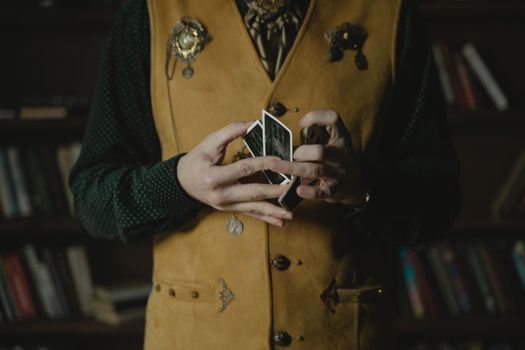
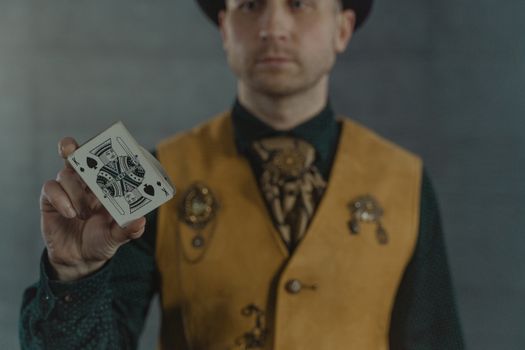
Imagine you’re at a networking event and you perform a simple card trick for a small group. Suddenly, you’re no longer “the quiet one in the corner,” but the center of attention. This shift is supported by a 2018 survey from the Magic Circle, which found that 72% of respondents felt more approachable and memorable after performing a magic trick in a social setting.
Here are three easy magic tricks that are perfect for breaking the ice:
1. The Floating Ring: Borrow a ring and make it “float” using a hidden thread. 2. The Prediction Card: Secretly know which card someone will pick from a shuffled deck. 3. The Vanishing Coin: Make a coin disappear and reappear from behind someone’s ear.These tricks require minimal props and preparation but can make a lasting impression. The key is not just the trick itself, but the act of inviting others to participate, fostering engagement and conversation.
Comparing Magic Training with Other Social Skill-Building Activities
How does learning magic stack up against other popular methods for developing social skills and confidence? Let’s take a closer look at a few common activities:
| Activity | Social Interaction | Confidence Boost | Creativity | Immediate Feedback |
|---|---|---|---|---|
| Magic Tricks | High (requires audience participation) | Strong (performing builds self-belief) | High (inventing routines/stories) | Yes (audience reactions) |
| Team Sports | High (teamwork required) | Moderate (depends on role) | Moderate (strategy, playmaking) | Yes (score, coach feedback) |
| Drama/Theatre | High (ensemble work) | Strong (stage experience) | High (interpretation, improv) | Yes (audience, directors) |
| Public Speaking Clubs (e.g., Toastmasters) | Moderate (structured speeches) | Strong (overcoming fear) | Low (less performance, more formal) | Yes (evaluations) |
| Art Classes | Low (individual focus) | Low-Moderate (depends on sharing) | High (creative expression) | No (delayed, via critiques) |
As the table shows, magic uniquely combines creativity, immediate feedback, and social interaction, making it a standout tool for building both social skills and confidence.
Magic for All Ages: From Childhood to Adulthood
While magic is often associated with childhood wonder, its benefits extend well into adulthood. Schools, therapy programs, and corporate trainers are increasingly recognizing magic as a valuable educational and developmental resource.
For children, magic develops motor skills, coordination, and the ability to focus. Programs such as Breathe Magic, which originated in the UK, have helped over 1,000 children with motor difficulties improve both their physical and social abilities. A 2020 report from Breathe Magic found that 83% of participants showed measurable improvements in confidence and social interaction.
Adults, on the other hand, gain from magic’s unique ability to break down social barriers. In business settings, magic workshops are used to enhance team-building and networking. For example, a 2019 survey of Fortune 500 companies found that 24% had used magic-based activities in training sessions to promote collaboration and creative problem-solving.
Furthermore, magic is increasingly used in therapy for individuals with autism spectrum disorder (ASD) and social anxiety. The structured, repetitive nature of magic tricks helps participants build routine and predictability, while the performance aspect encourages gradual social exposure.
Tips for Using Magic to Improve Social Skills and Confidence
Ready to try your hand at magic for personal growth? Here are some expert-backed tips to maximize the benefits:
1. Start Simple: Begin with tricks that require minimal sleight of hand. This reduces performance anxiety and ensures early success. 2. Practice Regularly: Like any skill, magic improves with repetition. Set aside time each week to rehearse both the mechanics and the “story” of your tricks. 3. Focus on Presentation: Remember, the magic is as much in your delivery as in the trick itself. Work on making eye contact, projecting your voice, and engaging your audience. 4. Invite Participation: Involve your audience in the trick. Ask questions, encourage guesses, and celebrate their reactions. 5. Embrace Mistakes: Every magician makes errors—use these moments as learning opportunities and model resilience. 6. Join a Community: Seek out local magic clubs or online forums for support, feedback, and inspiration.By incorporating these strategies, you’ll not only master some impressive tricks but also see real improvements in your day-to-day interactions and self-assurance.
Final Thoughts: The Transformative Power of Magic Tricks
Magic isn’t just about dazzling an audience or pulling rabbits out of hats—it’s about building bridges, breaking down barriers, and unlocking hidden confidence. Whether you’re looking to help a shy child blossom, overcome your own social hesitations, or add a spark to your next gathering, magic tricks offer a surprisingly effective path to personal growth.
The act of learning, practicing, and performing magic helps develop essential life skills—clear communication, creative thinking, adaptability, and, above all, confidence. As more schools, therapists, and corporations embrace magic as a tool for social development, it’s clear that the real magic lies not just in the tricks themselves, but in the transformation they inspire.