The Secrets of Magic Tricks Revealed: How Illusionists Fool the Eye and Mind
Magic has captivated audiences for centuries, from ancient Egyptian conjurers to modern masters like David Copperfield and Derren Brown. While the sense of wonder is a key part of the experience, many people can’t help but ask: how do magicians actually do it? What secrets lie behind the sleight of hand, the impossible escapes, and the mind-boggling illusions? In this article, we’ll peel back the curtain—not just to spoil the fun, but to reveal the fascinating science, psychology, and mechanics that make magic tricks possible. Get ready to uncover the real secrets of magic tricks, as we explore the principles, techniques, and behind-the-scenes realities that keep magic alive.
The Psychology Behind Magic: Why Our Brains Are Fooled
At the heart of every great magic trick is a deep understanding of human perception. Magicians are, in many ways, expert psychologists. They exploit the brain’s natural tendencies to misdirect, misinterpret, and overlook. Here’s how:
Selective Attention: The most powerful tool in a magician’s arsenal is misdirection. Research by neuroscientist Dr. Susana Martinez-Conde found that magic tricks work by redirecting the audience’s focus. In a 2008 study, participants missed 90% of simple changes when their attention was guided elsewhere.
Expectation and Assumptions: Our brains constantly fill in gaps based on what we expect to see. Magicians use these expectations against us. For example, when a magician shows an empty hand and then produces a coin, our brain assumes the hand was empty the whole time, missing subtle sleights.
The Limits of Working Memory: Cognitive psychologists have shown that the average person can only hold about 4-7 items in short-term memory at once (Miller’s Law). Complex tricks often overload our memory, making it easier to hide critical moves.
Social Cues and Trust: Magicians often use eye contact, body language, and speech to guide the audience. In experiments, people followed a magician’s gaze or gestures about 85% of the time, even when it led them away from the trick’s secret.
Understanding these psychological principles is the first step to appreciating how magic works—even before any physical trickery begins.
Classic Sleight of Hand Techniques Exposed
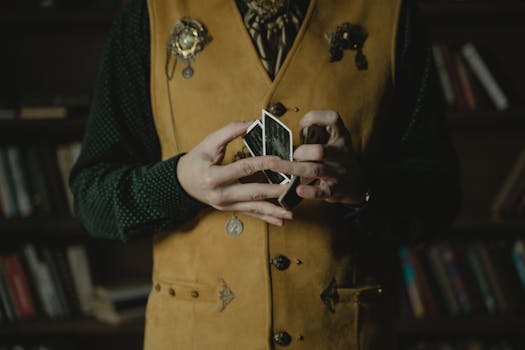
Sleight of hand is the cornerstone of close-up magic. These techniques demand dexterity, timing, and sometimes years of practice. Let’s look at some foundational moves that drive many famous tricks:
The Palm: One of the oldest methods, palming involves secretly holding an object (like a coin or card) in the hand while appearing empty. There are dozens of variations, from the classic magician’s palm to the finger palm, each suited to different tricks.
False Transfers: This move is designed to create the illusion that an object has been moved from one hand to another, when it actually remains hidden. The French Drop is a classic example, where a coin seems to vanish as it’s “taken” from the palm.
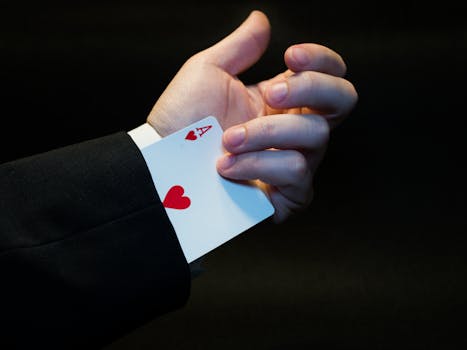
Double Lift: Used in card magic, the double lift allows a magician to turn over two cards as one, hiding the real card’s identity. This simple move is the backbone of many seemingly impossible card revelations.
Top Change: A sleight where a card in the hand is secretly switched for another from the deck, unnoticed by the audience.
Mastering these sleights can take hundreds of hours—magicians like Dai Vernon and Ricky Jay reportedly practiced basic moves thousands of times before ever performing publicly. The secret is not just in the hands, but in the timing and confidence of the performer.
Props and Gimmicks: The Hidden Tools of Illusion
Not all magic relies solely on skillful hands. Many tricks use specially designed props—known as gimmicks—that do the heavy lifting. Here are some of the most ingenious tools magicians use:
Thumb Tip: A small, realistic fake thumb worn over the real thumb, used to conceal silk handkerchiefs, cigarettes, or salt. It’s estimated that 95% of professional magicians have used a thumb tip at some point.
Mirror Boxes: Used in stage magic to make objects appear or disappear. Mirrors inside a box reflect empty sides, hiding compartments where objects are stored.
Marked Cards: These are decks where the backs of the cards have tiny, almost invisible markings, allowing the magician to identify them from the back.
Invisible Thread: Ultra-thin, nearly invisible strands used to levitate small objects, like rings or bills. The thread is often made from nylon or spider silk and can be as thin as 0.02 millimeters.
Trapdoors and Secret Compartments: In stage magic, tables, boxes, and even costumes may contain hidden panels or spaces that enable dramatic vanishes and appearances.
While some magicians avoid gimmicks to preserve the art’s purity, others see them as essential tools of the trade. Even the legendary Harry Houdini used mechanical devices for his escapes.
The Science of Grand Illusions: Levitation, Sawing, and More
Big stage illusions go beyond close-up magic, blending engineering, physics, and choreography. Here are some famous illusions and the science behind them:
Levitation: One famous method involves a hidden support—like a strong metal rod camouflaged as part of the set, or a clear acrylic platform. Other versions use counterweights and harnesses. In 2010, the TV show "Breaking the Magician’s Code" revealed that David Copperfield’s famous flying illusion used multiple wires controlled by a computer system.
Sawing a Person in Half: First performed in 1921 by P.T. Selbit, this classic trick uses specially designed boxes. One common method involves two assistants curled up in each end, giving the impression of a single body while the saw passes through a safe middle section.
Metamorphosis (The Substitution Trunk): This Houdini classic relies on a combination of speed, hidden panels, and sometimes trapdoors. In some versions, the magician and assistant switch places in under three seconds—a feat only possible with intense rehearsal and clever design.
Disappearing Acts: Large-scale vanishes, such as making a car or even the Statue of Liberty disappear, use forced perspective, rotating platforms, and carefully synchronized lighting. In 1983, David Copperfield “vanished” the Statue of Liberty by rotating the live audience on a platform while a curtain blocked their view.
These illusions require not just showmanship, but precise engineering—some stage tricks cost tens of thousands of dollars to build and perfect.
Comparing Magic Trick Types: Skills, Props, and Audience Impact
Magic is a diverse art, with each type of trick offering unique challenges and rewards. Here’s a comparison of common magic trick categories:
| Type of Trick | Main Skill Required | Average Preparation Time | Typical Props Used | Audience Impact (1-10) |
|---|---|---|---|---|
| Sleight of Hand (Cards, Coins) | Manual Dexterity | 100+ hours practice | Cards, coins | 7 |
| Gimmick/Prop Magic | Prop Handling | 1-3 hours setup | Thumb tips, boxes, mirrors | 8 |
| Grand Illusions | Stagecraft, Choreography | Weeks to months | Large boxes, rigs, assistants | 10 |
| Mentalism | Patter, Psychological Techniques | 10-50 hours study | Notepads, envelopes, pens | 9 |
| Impromptu/Street Magic | Improvisation | Varies | Everyday objects | 8 |
This table shows that while some tricks rely on years of skill, others depend on clever props or psychological techniques. The most impactful tricks often combine multiple elements.
The Ethics of Revealing Magic Secrets
The revelation of magic secrets is a controversial topic within the magic community. Some magicians, like Penn & Teller, have built careers on exposing methods, while others see exposure as a betrayal of the craft. Here’s why the debate matters:
Preserving Wonder: Magic thrives on mystery. When secrets are revealed, some argue it undermines the sense of awe that makes magic special. In a 2019 survey, 62% of professional magicians believed exposure harmed the art.
Inspiring New Magicians: On the other hand, learning the basics can inspire beginners. Many famous magicians, including Dynamo and Criss Angel, started by reading books that explained simple tricks.
Intellectual Property: Unique tricks are often protected as trade secrets. Some magicians have even patented their illusions or taken legal action against exposers.
Modern Exposure: In the age of the internet, secrets spread rapidly. YouTube and social media channels dedicated to revealing tricks have millions of subscribers, making total secrecy almost impossible.
Ultimately, the magic community walks a fine line—educating and inspiring newcomers, while preserving the sense of mystery for audiences.
Final Thoughts on the Secrets of Magic Tricks
Magic is so much more than simple deception—it’s an intricate blend of science, psychology, engineering, and artistry. Whether it’s the deft hands of a close-up magician, the mind games of a mentalist, or the spectacle of a grand illusion, the real secret of magic lies in the performer’s ability to create wonder from the ordinary. While understanding the methods can demystify the experience, it also deepens our appreciation for the creativity and dedication required. Next time you watch a magician make the impossible seem real, remember: the true magic is in the mastery, not just the mystery.