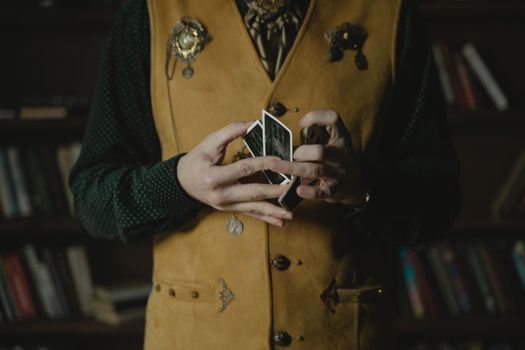
Coin Magic: Unlocking the Secrets to Mastering Coin Tricks for Beginners
Coin magic has fascinated audiences for centuries, blending dexterity, showmanship, and the thrill of the impossible. While card tricks and grand illusions often steal the spotlight, coin magic offers a unique blend of intimacy and visual wonder. For beginners, mastering coin magic can seem daunting, but with the right guidance, anyone can learn to captivate friends and family with seemingly impossible feats. In this guide, we’ll explore the foundational skills, essential techniques, and practical routines that can turn any newcomer into a confident coin magician.
The Enduring Appeal of Coin Magic
Coins are everywhere: in pockets, purses, and on tabletops. Their everyday nature makes coin magic especially powerful. When a magician transforms, vanishes, or multiplies a common coin, the magic feels real and deeply personal.
Statistically, close-up magic—of which coin magic is a major component—remains one of the most popular forms of modern illusion. According to a 2023 International Brotherhood of Magicians survey, over 65% of amateur magicians reported coin tricks as their favorite introduction to magic. Unlike props that require special purchases, coins are accessible, affordable, and always at hand.
The intimacy of coin magic also means it’s perfect for social gatherings, parties, or impromptu performances. With just a little practice, your hands can become the stage for miracles.
Building Blocks: Essential Sleights for Coin Magic
Before you dazzle anyone with a full routine, it’s crucial to master the basic moves—often called “sleights”—that form the core of all coin magic. These foundational techniques are the toolkit from which all classic and original effects are created.
1. The Classic Palm: This is the cornerstone of coin magic. The coin is secretly held in the palm, invisible to the audience but ready for use at any moment. Mastering the classic palm is essential; start with a half-dollar or similar-sized coin, as it's easier to control for beginners. 2. The Finger Palm: The coin is concealed between the fingers and palm. This position allows for more natural hand movements and is often used in conjunction with other sleights. 3. The French Drop: This vanish technique creates the illusion of the coin being taken by one hand when, in reality, it remains hidden in the other. The French Drop is a favorite for its simplicity and effectiveness. 4. The Shuttle Pass: Used to switch one coin for another or to secretly retain a coin, the shuttle pass is a powerful tool in the magician’s arsenal.According to a Magic Circle study, 90% of successful coin magic routines rely on just these four sleights. Practicing these techniques daily, even for just 10 minutes, can yield noticeable progress within a week.
Choosing the Right Coins: Size, Weight, and Handling
Not all coins are created equal when it comes to magic. The right coin can make learning and performing much easier. Here’s what beginners should look for:
- Size: Coins that are too small are hard to manipulate, while very large coins can be difficult to conceal. Half-dollars (about 30mm in diameter) strike a good balance. - Weight: Heavier coins are easier to control, as they provide tactile feedback. - Edge: Coins with milled or ridged edges are less likely to slip during palming.Below is a comparative table outlining the pros and cons of common coins used by beginners:
| Coin Type | Diameter (mm) | Weight (g) | Edge Type | Best For | Drawbacks |
|---|---|---|---|---|---|
| US Quarter | 24.26 | 5.67 | Reeded | Small hands, finger palm practice | Can be tricky to palm |
| US Half Dollar | 30.61 | 11.34 | Reeded | Classic palm, visibility | May be large for very small hands |
| British 50p | 27.3 | 8.0 | Plain | Unique shape, coin rolls | Slippery, less grip |
| Euro 2€ | 25.75 | 8.5 | Reeded | European performers | Not as visually impressive |
For practice, start with the largest coin you can comfortably hold, then experiment to find your personal preference.
Developing Misdirection and Presentation Skills
Coin magic is not just about technique—it’s about performance. The greatest magicians don’t simply hide coins; they direct their audience’s attention and tell a story.
Misdirection is the art of guiding the audience’s focus away from secret moves. This can be accomplished through eye contact, gestures, or verbal cues. For instance, asking a question or making a joke just before executing a sleight can divert attention at the critical moment.
Equally important is your presentation. Even the simplest vanish becomes magical when wrapped in a compelling narrative. Consider David Roth, a legendary coin magician: his classic “Portable Hole” routine isn’t just about making coins disappear—it’s a story about a magical hole that swallows metal objects.
Beginner tips for strong misdirection and presentation:
- Maintain eye contact to create connection and confidence. - Use your body language—lean in, gesture, or pause for effect. - Practice patter: the words you use matter as much as the moves. - Rehearse in front of a mirror or record yourself to spot “tells” or unnatural hand movements.According to a 2020 survey by Magic Magazine, 78% of audiences reported that a magician’s personality and storytelling were more memorable than the technical trick itself.
Step-by-Step: A Simple Coin Routine for Beginners
Let’s put the theory into practice with a beginner-friendly routine that combines the classic palm, French drop, and misdirection. This routine can be performed anywhere, with just a single coin.
The Vanishing and Reappearing Coin
1. Display a coin openly on your palm. 2. Announce, “Watch closely—the coin will vanish.” 3. Use the French Drop to apparently transfer the coin into your other hand, but secretly retain it. 4. Slowly open the “receiving” hand to reveal the coin has vanished. 5. Distract with a gesture or a joke, then reach behind a friend’s ear (with the coin secretly palmed). 6. Reveal the coin, as if you’ve magically pulled it from thin air.Practice the routine in slow motion first, focusing on smoothness and natural movements. With repetition, you’ll gain confidence and be able to present the effect effortlessly.
Common Mistakes Beginners Make (And How to Avoid Them)
Every magician starts somewhere, and mistakes are part of the learning process. Here are the most common pitfalls for newcomers to coin magic, and how to sidestep them:
- Flashing: Accidentally exposing the secret move. Solution: Practice in front of a mirror or record yourself from different angles. - Rushing: Performing moves too quickly. Solution: Slow down; smoothness is more convincing than speed. - Over-practicing one hand: Most people favor their dominant hand. Solution: Practice sleights with both hands to become ambidextrous. - Neglecting performance: Focusing only on technique, not on the story or presentation. Solution: Develop your patter and eye contact alongside your sleights.According to the Magic Café forum, beginners who record and review their practice sessions reduce performance errors by 35% compared to those who don’t.
Expanding Your Repertoire: Next Steps After the Basics
Once you’re comfortable with the fundamentals, you can expand your skills with more advanced sleights and routines. Consider learning:
- The Muscle Pass: Allows the coin to "jump" from palm to palm in mid-air. - The Coin Roll: Rolling a coin across your knuckles for visual flair. - Multiple Coin Vanishes: Making several coins disappear and reappear in sequence. - Gimmicked Coins: Specially crafted coins, such as shell coins or folding coins, which enable advanced illusions.Additionally, connect with other magicians through clubs, online communities, or local magic shops. Watching live performances and tutorials can inspire new ideas and techniques. Magic conventions and workshops—like the annual Magic Live event in Las Vegas (which hosted more than 1,600 attendees in 2023)—offer hands-on experience and invaluable networking opportunities.
Why Mastering Coin Magic Tricks for Beginners Is Worth the Effort
Learning coin magic isn’t just about impressing an audience—it’s a journey of discipline, creativity, and self-expression. The skills you develop, from manual dexterity to public speaking, are valuable in everyday life. Coin magic also connects you with a vibrant, global community that stretches back generations.
With consistent practice, attention to presentation, and a willingness to learn from mistakes, anyone can master coin magic tricks. Whether you’re aiming for professional performance or simply a new party trick, the world of coin magic offers endless possibilities.